





CTO / Technology Director · Systems Architect
Belgrade, Serbia
I help businesses make technology economically useful: increase revenue, reduce operating cost, remove critical dependency on individual employees and vendors, and give management clear control over systems, workload, spend, and risk.
I have 18+ years of experience across founder-led businesses, banking, enterprise IT, and public-sector systems. I work best when the business is already real, but technology has become fragmented, opaque, expensive, or too dependent on informal knowledge.
My operating sequence is Transparency → Efficiency → Growth: first make ownership, workload, systems, spend, and risk visible; then stabilise what matters; only then decide what to automate, integrate, replace, build, or scale.
CTO CV — Markdown · DOCX · PDF · LinkedIn · Career evidence
- Helped a service business achieve approximately 10× revenue growth in about three months after redesigning customer intake, operations, and product presentation; growth was organic, without paid advertising.
- Reduced routine client-service work from hours to minutes through internal systems, integrations, and automation.
- As part of the management team at ZIL, contributed to the anti-crisis turnaround that brought the organisation out of approximately RUB 30m in accumulated debt; within IT, focused spending on operational value and replaced unmanaged support with measurable service operations.
- Moved 100+ employees to secure remote work during COVID without interrupting operations.
- Accelerated heavy reporting exports by approximately 20× in a city-scale operational system serving 100+ institutions.
- Built an IT operating model at ZIL that remained stable after my departure and through subsequent leadership changes.
- IT spending is difficult to connect to business value.
- Delivery slows while responsibilities remain unclear across employees, teams, and vendors.
- Critical processes depend on spreadsheets, chats, manual handoffs, or individual memory.
- Systems are fragmented and nobody owns what happens between them.
- A key employee, contractor, or platform has become an operational dependency.
- Management cannot see workload, bottlenecks, service quality, system risk, or the real cost of change.
- Technology exists, but adoption, ownership, and operating discipline lag behind implementation.
I treat architecture as a management instrument, not a diagram. Critical systems, processes, integrations, vendors, and risks need explicit ownership. Work needs to become observable. Technology spending needs to map to capability and value. Automation should remove fragile handoffs, not merely add more software.
I am hands-on when that reduces uncertainty or accelerates delivery, but the objective is a system the organisation can operate without depending on me.
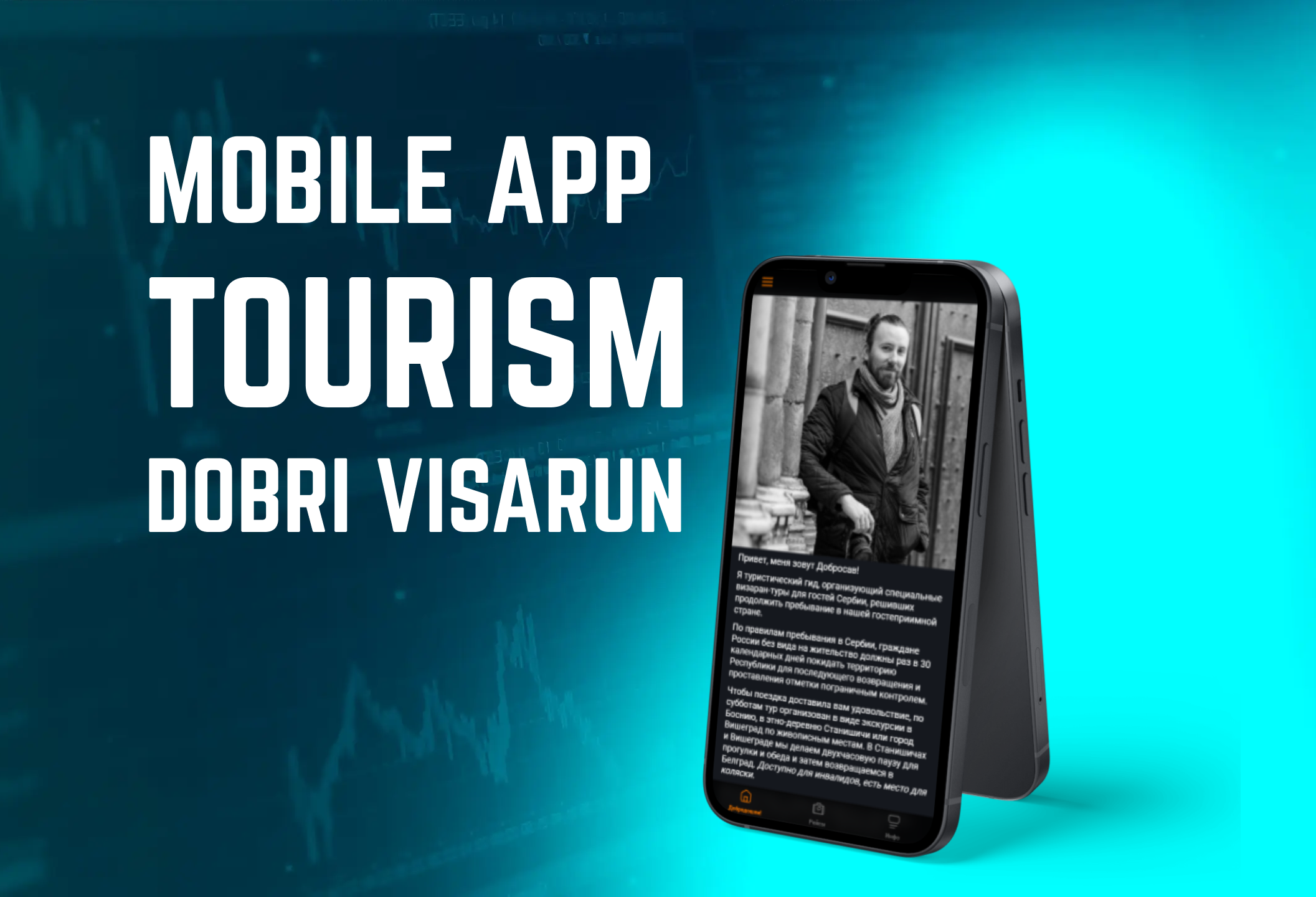
Service-business automation and operational restructuring that reduced routine handling from hours to minutes and supported approximately 10× organic revenue growth in about three months.
Stack: Glide · PWA · Make · Google Sheets · Telegram
View case study
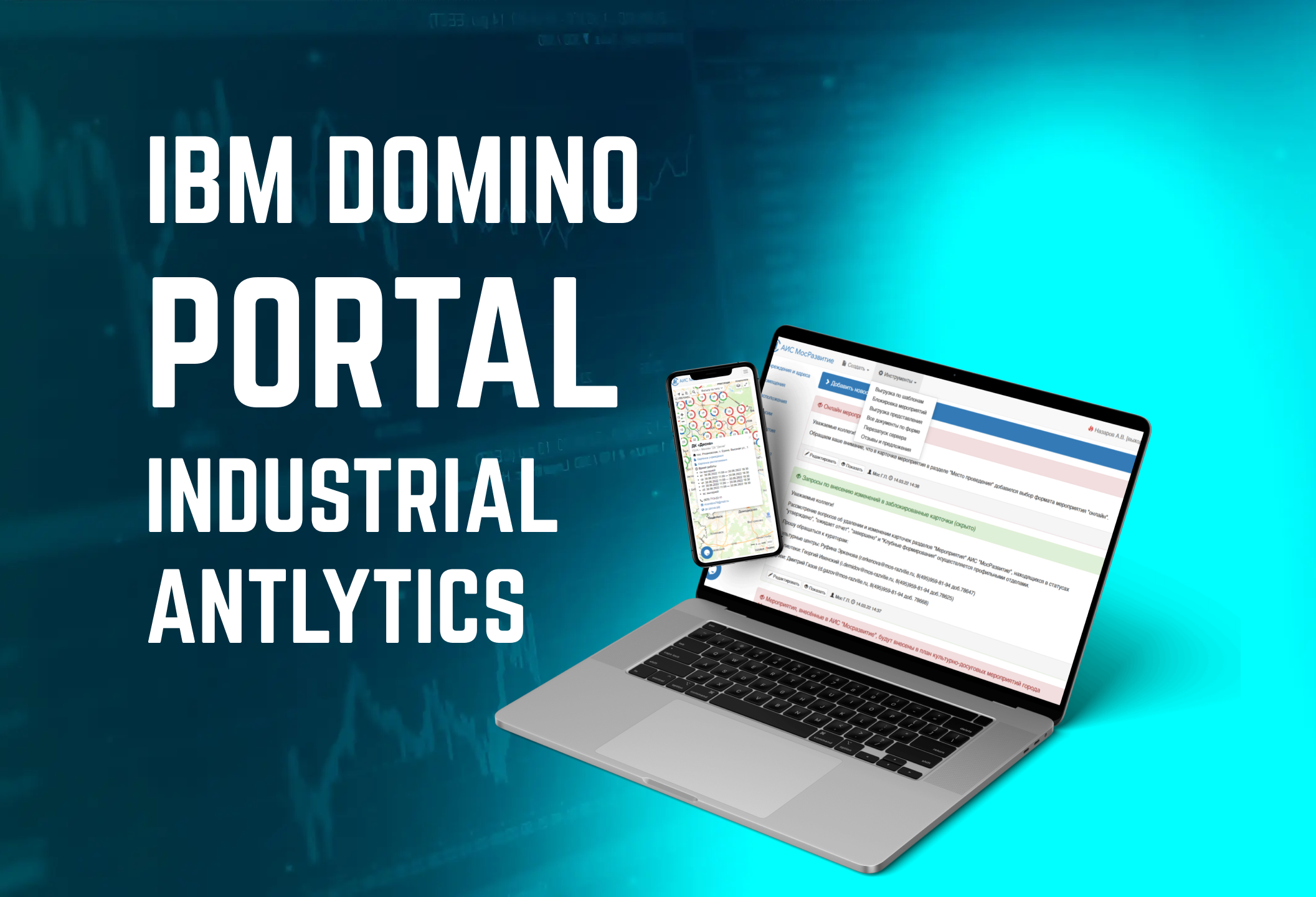
Industry-level operational and reporting system across 100+ institutions, combining governance, analytics, integrations, security, adoption, and approximately 20× faster heavy exports.
Stack: IBM Domino/Notes · XPages · Java · JavaScript · XML · Yandex Maps API
View case study
More product & systems work — strong delivery evidence without a clean business-outcome metric
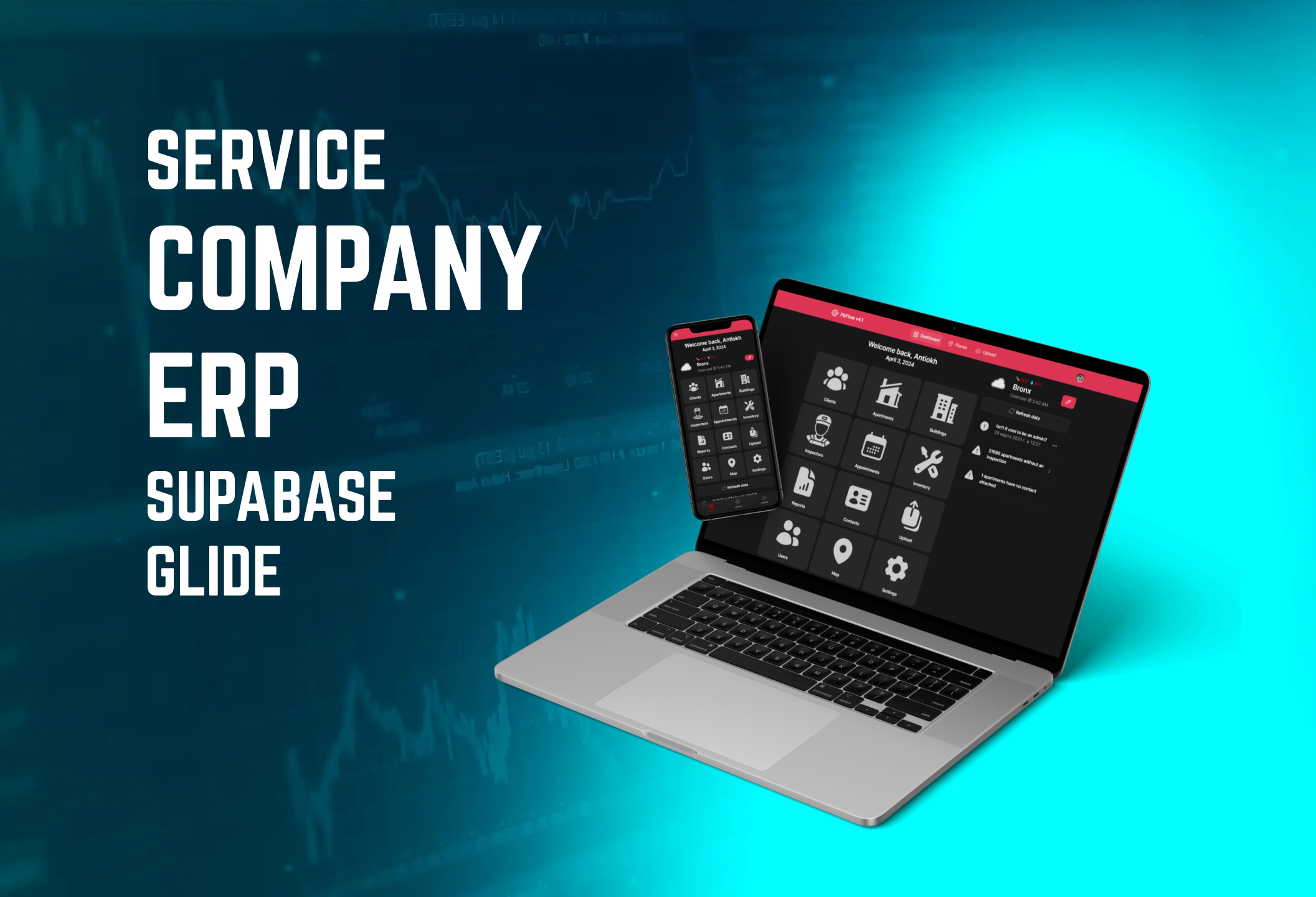
Field operations and client reporting platform that consolidated fragmented workflows and migrated approximately 70,000 historical documents into a structured backend.
Stack: Glide · WeWeb · Supabase · n8n · DocsAutomator · OpenAI
View case study
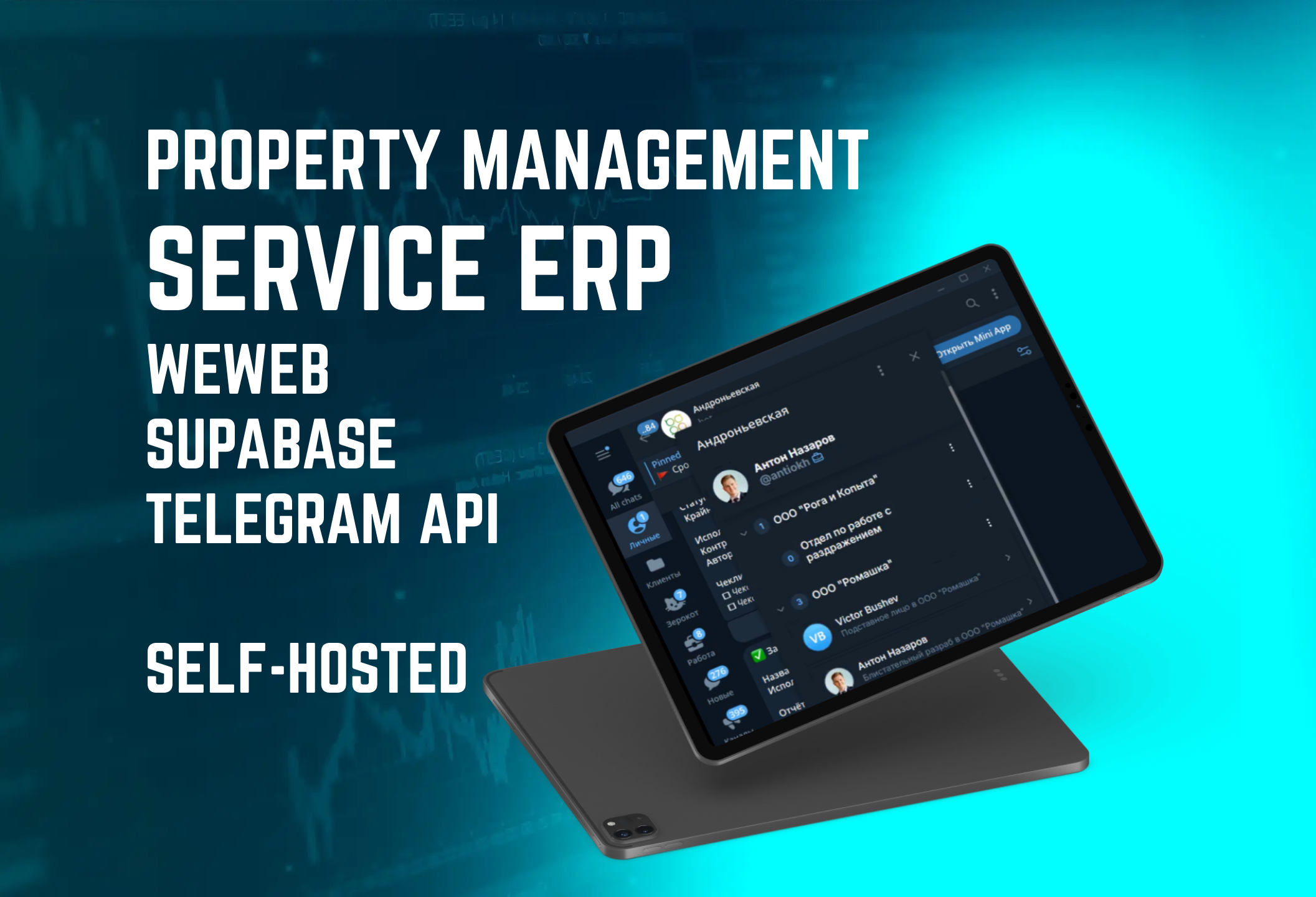
Self-hosted operational ERP with role-based execution, QR-linked assets, Telegram Mini App access, real-time tasks, and automation designed to reduce platform and key-person dependency.
Stack: WeWeb · Supabase · Edge Functions · Telegram Mini App/Bot API · Leaflet · self-hosting
View case study
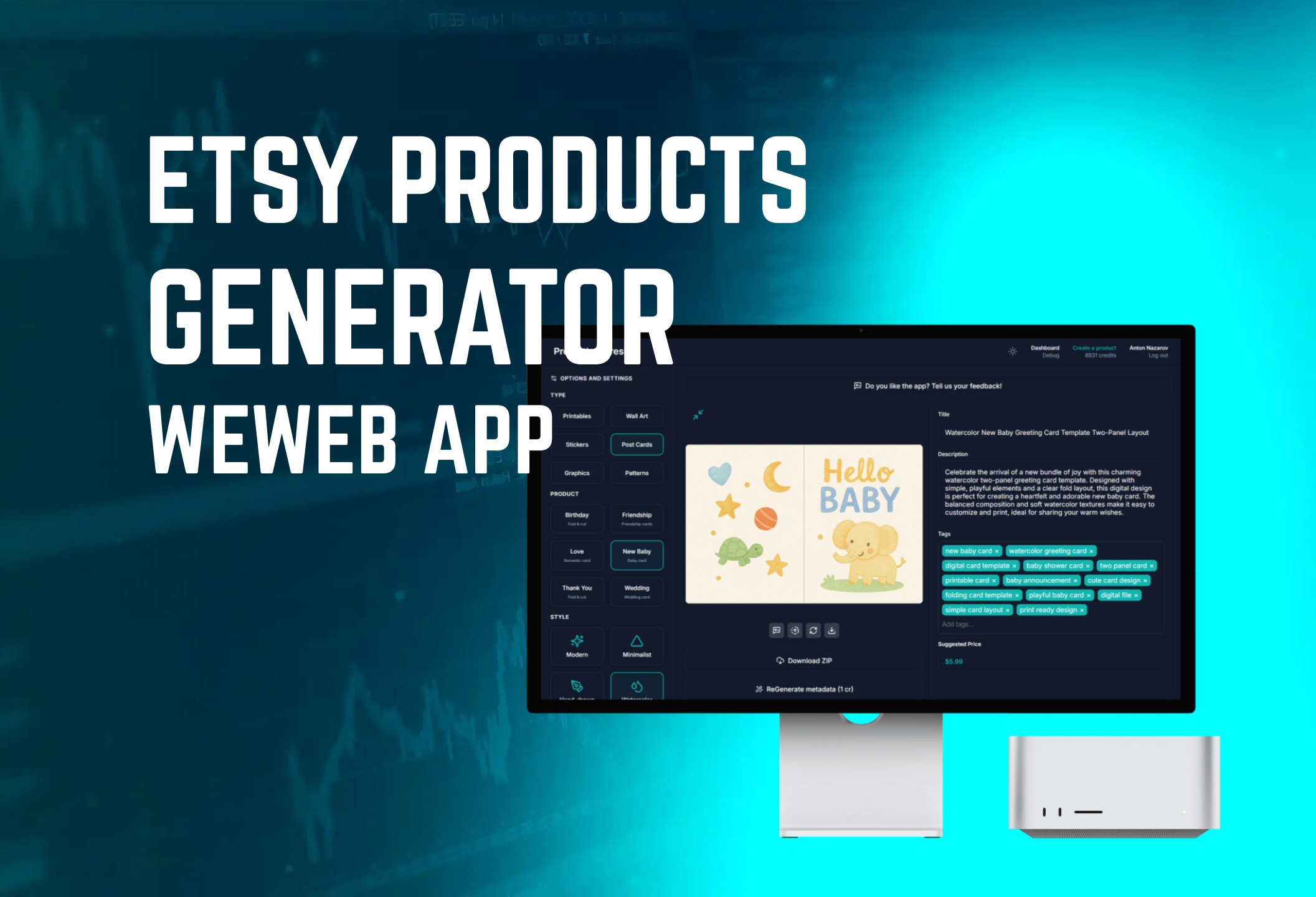
AI-assisted generation platform built around reproducible execution rather than one-shot prompting: structured prompt composition, debug workflows, shared backend helpers, and engineering guardrails.
Stack: WeWeb · Supabase/PostgreSQL · Edge Functions · OpenAI · fal.ai · Stripe
View case study
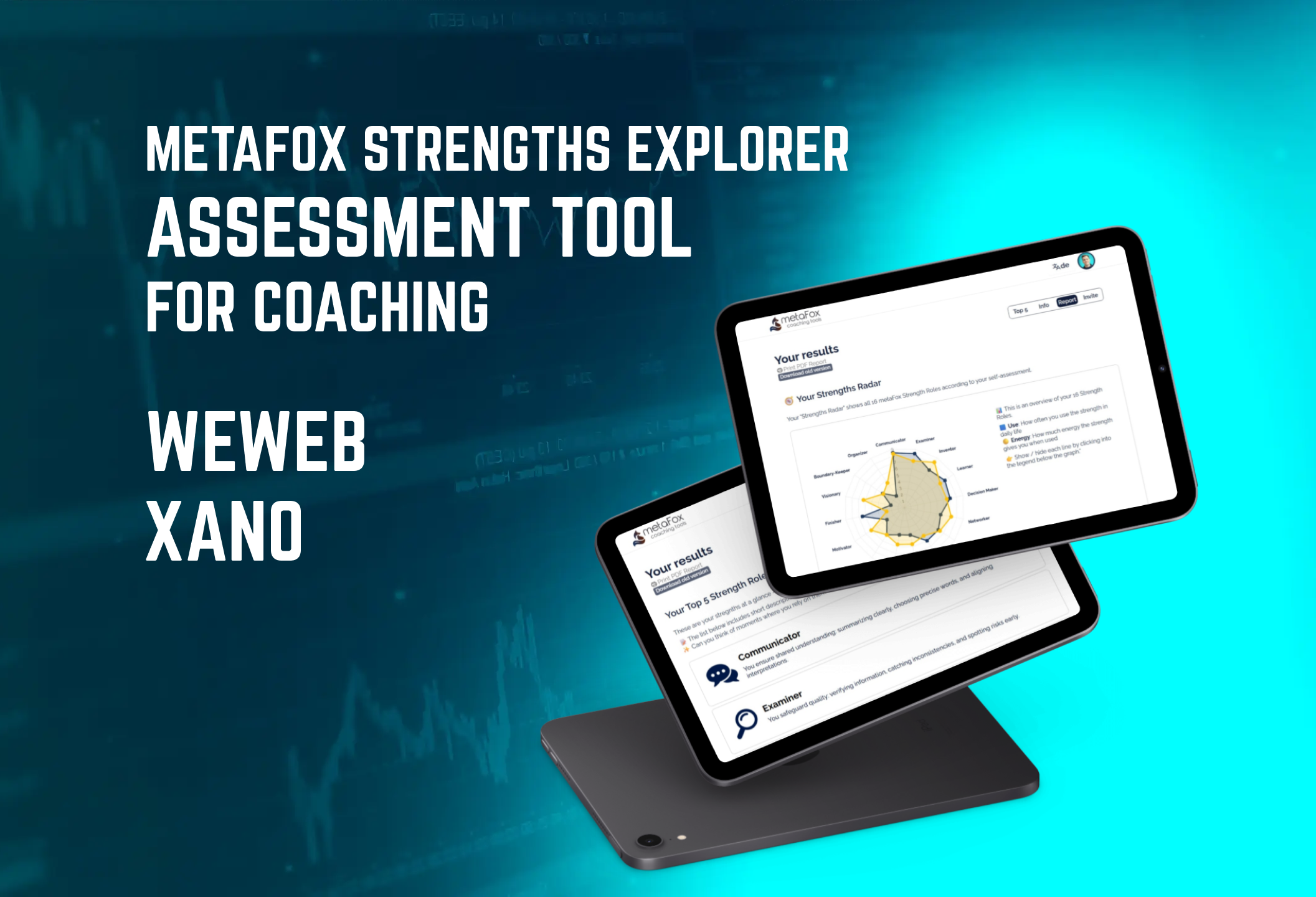
Assessment and reporting platform that translated an evolving methodology into deterministic scoring, peer feedback, reporting, and repeatable product workflows.
Stack: WeWeb · Xano · Google Analytics · PDF generation
View case study
Additional case studies: Vencer Autismo · Dobri Tours · QR Cloud · French Plumbers ERP · MommyHana MBO · Educate Online · MakeMeLook
Evidence-oriented relocation encyclopedia built as a maintained knowledge system rather than a collection of blog posts. The public content source of truth is separated from the Astro/Starlight runtime, with explicit source hierarchy, semantic indexing, repository synchronization, and observable publishing.
Role: creator · product owner · systems architect · developer · editor
Stack: Astro · Starlight · MDX · Supabase · Sanity · GitHub Actions · Cloudflare Pages
Live · Source · Case study
Source-aware Russian editorial engine that separates linguistic norm from editorial preference. It combines deterministic linting, normalized editorial libraries, provenance and conflict handling, CI integration, machine-readable output, and a controlled model-evaluation layer.
Role: creator · systems architect · developer · editorial/research lead
Stack: Python · CLI · rule-based linting · JSON · CI · model evaluation
Source · Case study
supabase-project-starter— reusable Supabase engineering baseline with deployment-aware operating rules, source-of-truth boundaries, shared Edge Function helpers, SQL patterns, and agent-ready delivery guidance. Case studyww-component-starter— Vue/WeWeb custom-component engineering kit covering schema/runtime/editor contracts, platform APIs, and advanced reusable component patterns. Case studytgs.py— Telegram operations toolkit with structured exports, automation scaffolding, packaging, licensing, and an early desktop GUI. Case study
PostgreSQL Supabase SQL REST APIs JavaScript TypeScript Python Node.js Docker Linux NGINX Git/GitHub n8n Make OpenAI API WeWeb Xano Vue Active Directory GLPI VMware
Architecture and delivery areas: backend and data architecture, automation and AI, integration architecture, internal systems, ERP/CRM implementation, service management, security and access governance, migration, platform restructuring, and operational continuity.


For detailed career history, management cases, technical evidence, and project case studies, see Antiokh/CV.